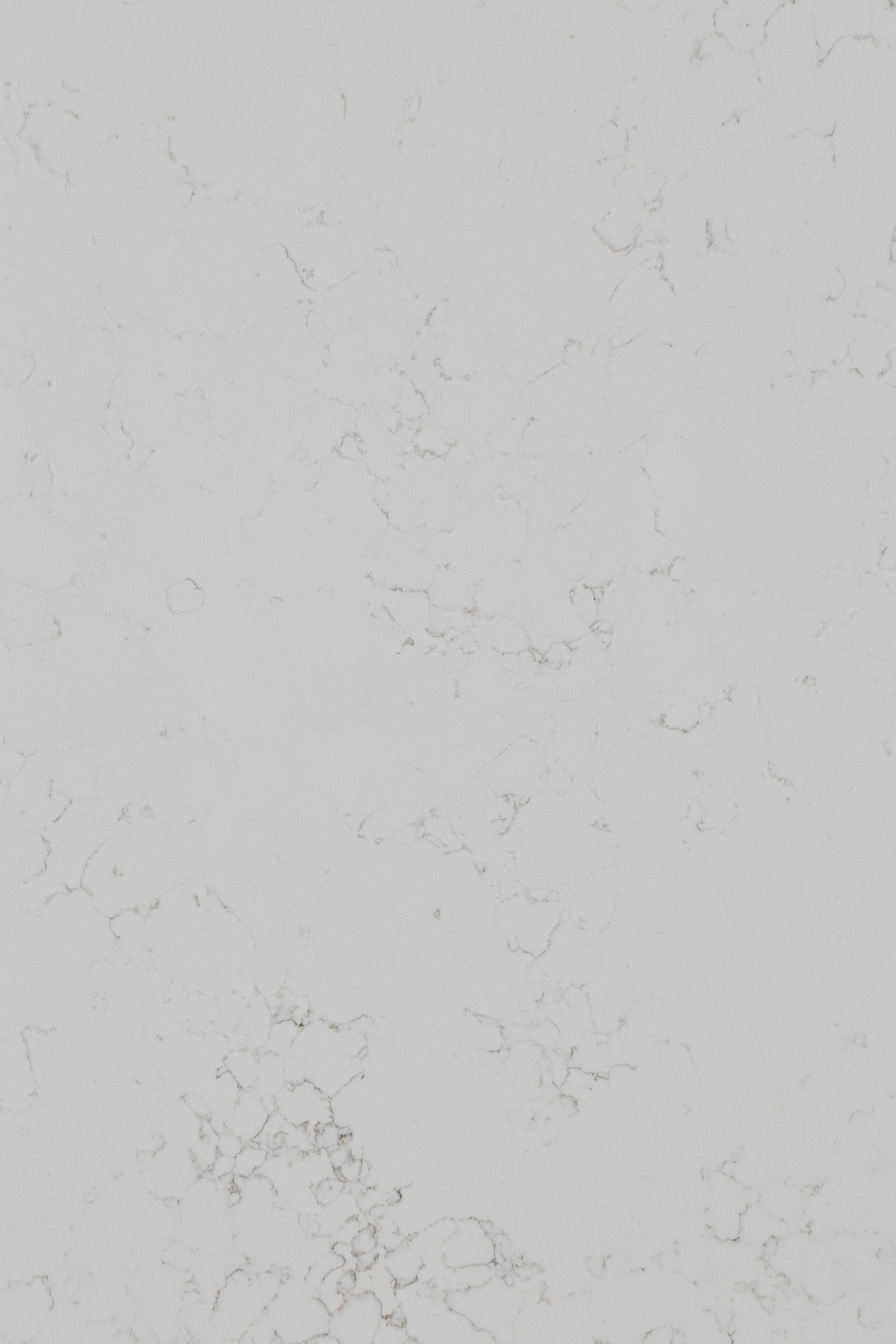
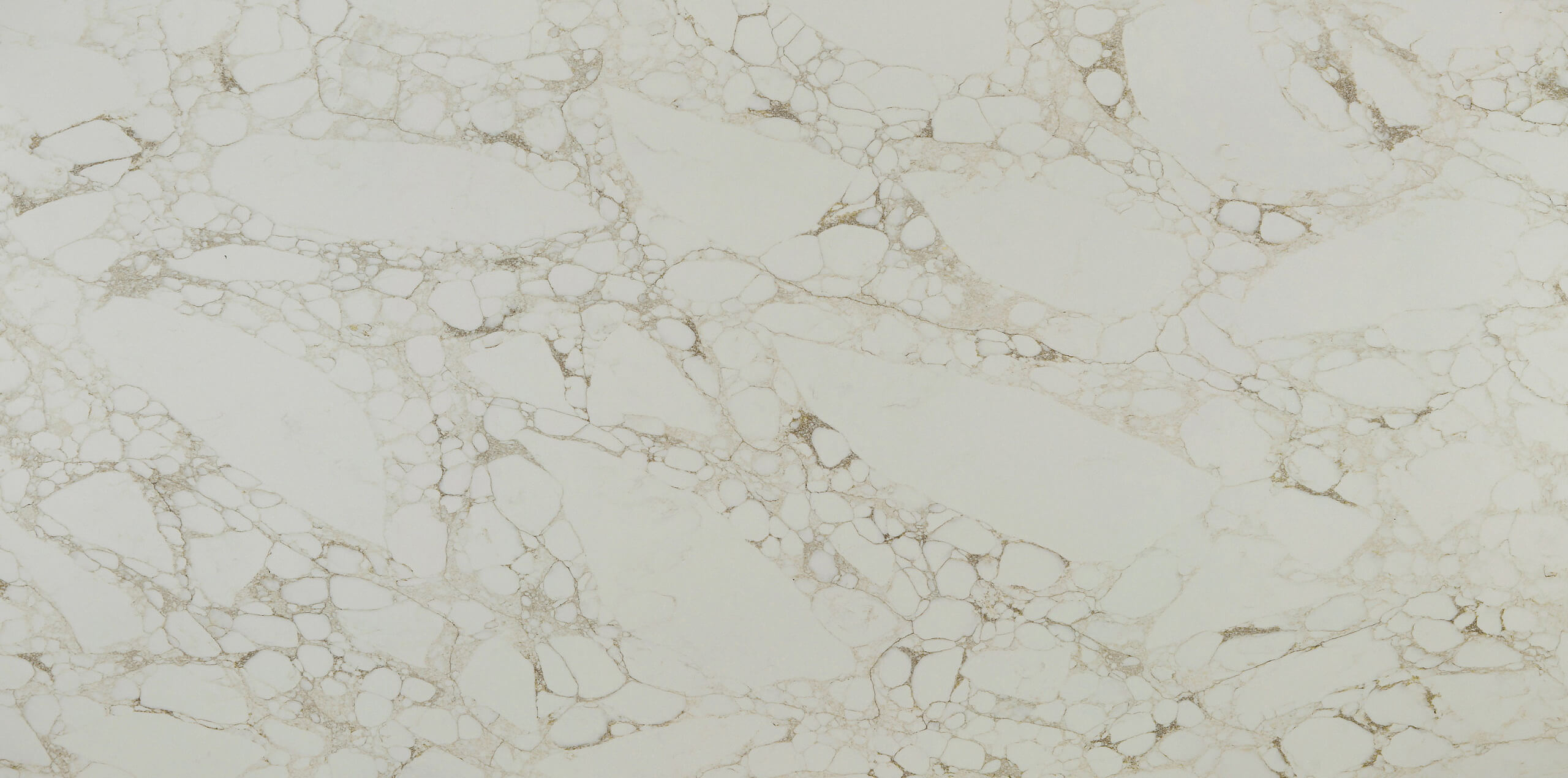
What Is Porcelain Stone? The Reason It is Taking Over Natural and Engineered Stone in Contemporary Homes
.jpg)
What Is Porcelain Stone? The Reason It is Taking Over Natural and Engineered Stone in Contemporary Homes
Introduction: A New Home Design Favourite
A new material is gaining centre stage in kitchens, bathrooms and even outdoors these days, porcelain stone. The porcelain slabs are soon becoming the most popular surface in the Australian homes with the appearance of marble or granite and the durability of industrial ceramics.
So what is porcelain stone? And why is it replacing natural stone and engineered quartz in popularity? So, let us look a little more closely.
What Is Porcelain Stone?
Porcelain stone is an artificial surface material that is made out of ultra-fine natural clays, feldspar, silica, and mineral pigments. These raw materials are pressed with very high pressure and fired at temperature above 1200 o C.
This produces a dense, non-porous slab that is extremely resistant to heat, scratches, stains, and UV exposure, and with outstanding design flexibility.
How It Compares to Natural and Engineered Stone
Porcelain stone does not require sealing and is not susceptible to staining or etching as is natural stone (such as marble or granite). It also provides much greater colour and pattern consistency.
Porcelain has minimal or no crystalline silica, compared to engineered stone, which makes it a far safer choice to fabricators and installers, particularly in the wake of Australia banning high-silica engineered stone.
It is also more heat resistant and can be used outdoors, which engineered quartz cannot.
The strength and flexibility of porcelain render it suitable in a broad variety of uses.
Why Homeowners Love It
- It appears exactly like expensive marble or stone, however, without the upkeep.
- It is very strong and does not get scratched easily.
- It is stain-resistant to wine, coffee, oils, and others.
- It does not bleach under direct sunlight.
- It is clean and non-porous, which makes it ideal in food preparation areas.
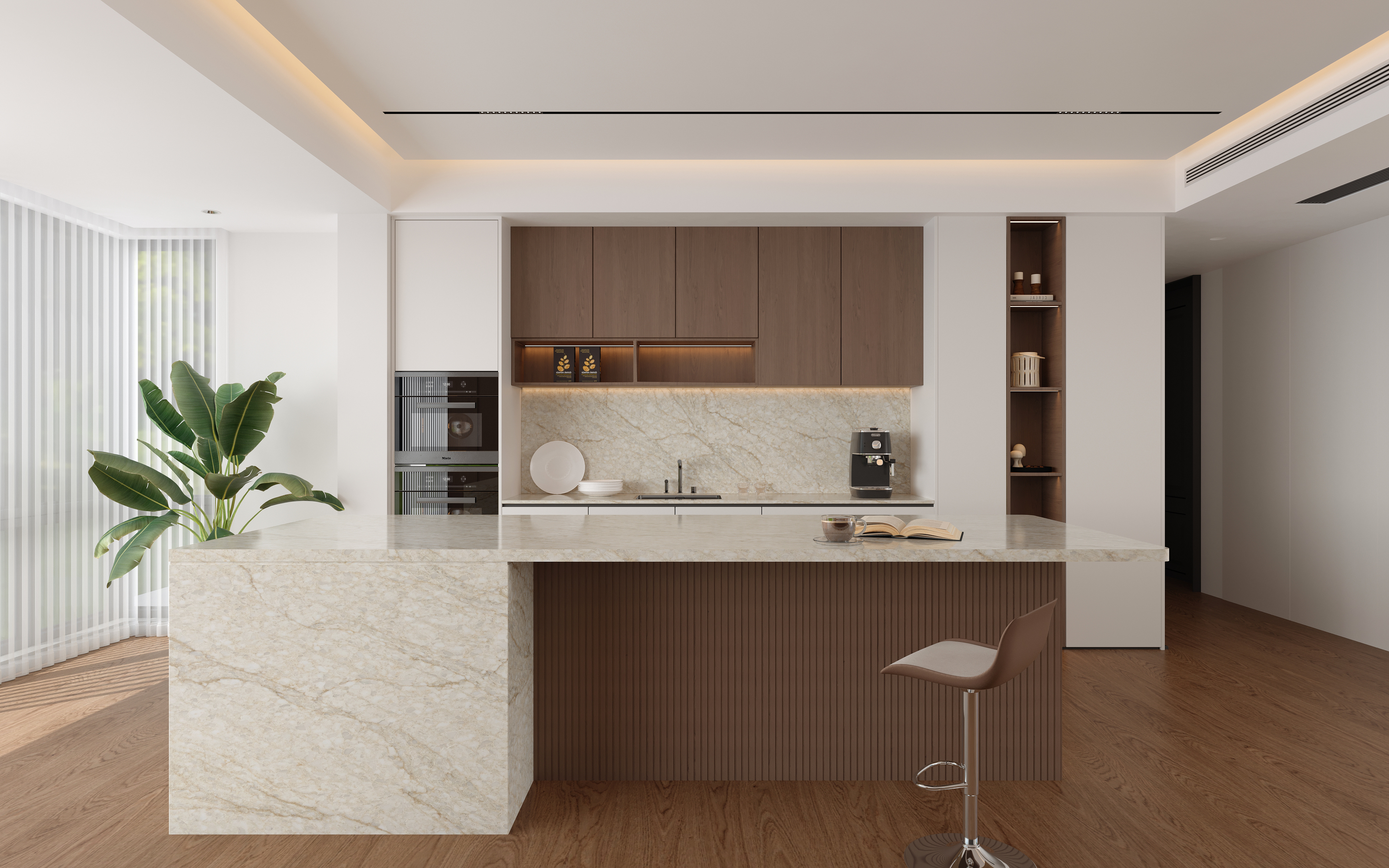
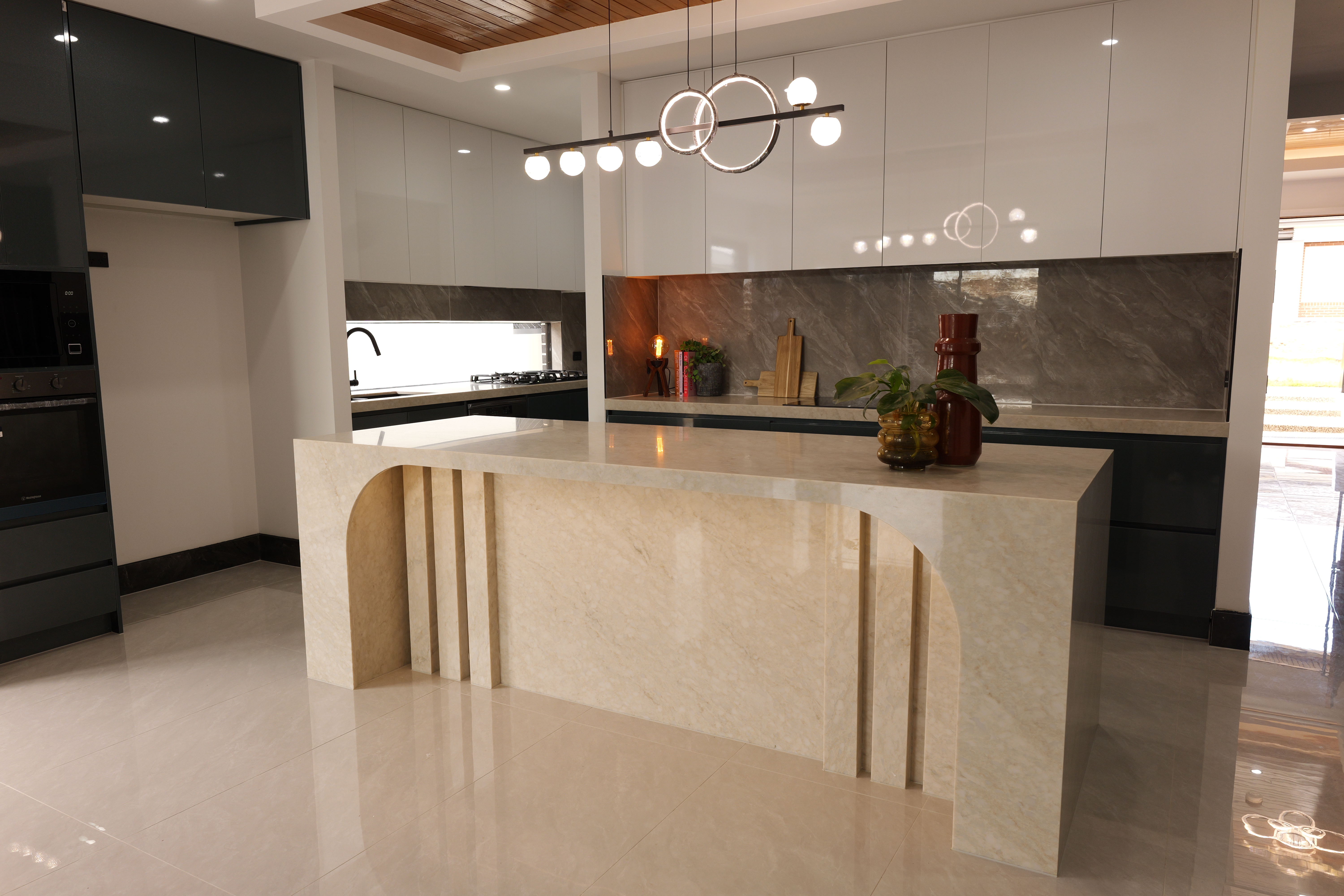
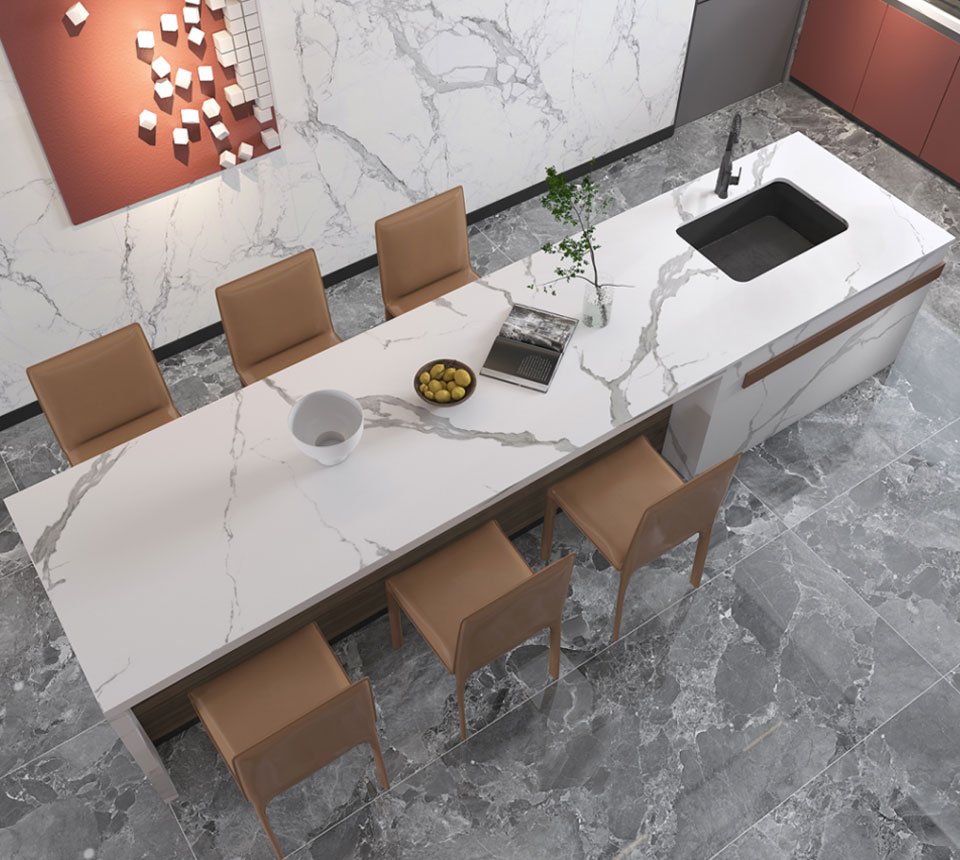
Porcelain stone is beautiful and practical whether it is a minimalist kitchen island or a spa-like bathroom vanity.
The Places You Can Apply Porcelain Stone
Porcelain has one of the greatest strengths, which is its versatility. Now you will find it employed:
Benchtops and splashbacks in kitchens
Walls and bathroom vanities
BBQ and outdoor kitchens
Fireplace surrounds and feature walls
Flooring and cladding in large format
It is also suitable in vertical installations or renovations where weight is an issue (its thin profile is often available in 6mm, 12mm or 20mm).
Concluding Remarks: Future of Surface Design
Porcelain stone has been rapidly transformed into a mainstream must-have. With more Australian homeowners seeking safe, sustainable and beautiful surfaces, porcelain scores on all counts.
It is more powerful than natural stone. Less hazardous than engineered quartz. And more fashionable than ever.
Gen Stone has a high-quality range of porcelain slabs that will satisfy the demands of the modern architect, builder, and renovator.
In 2025, porcelain may be the most intelligent surface choice you make whether you are building or renovating.



.jpg)