The Reason Interior Designers Are Preferring Sintered Stone to Quartz in 2025
.jpg)
Introduction: A New Age of Surface Design
The interior design world is changing fast, and it is due to the changes in material science, consumer safety, and the need to have smarter and more sustainable surfaces. Although quartz has been the most popular material in benchtops, splashbacks and vanities, sintered stone is rapidly becoming the material of choice among top interior designers in 2025.
This is not a mere trend but a more general movement towards performance, health-consciousness, and creative freedom. As a designer, a builder, or a homeowner who is considering a renovation, it is essential to know why sintered stone is becoming an alternative to quartz to remain ahead.
What is Sintered Stone?
Sintered stone is a new generation surface material that is produced by compressing natural minerals under high temperatures and pressure-simulating the natural process of stone formation, but in a controlled manufacturing process. Sintered stone is silica-free or very low in silica, unlike quartz, which conventionally contains up to 90 percent crystalline silica, which is much safer to manufacture and install.
Important characteristics of sintered stone:
· Zero or ultra low silica content
· UV, heat, scratch, stain resistant
· Hygienic and non-porous (perfect in food preparation areas)
· Very durable both indoors and outdoors
· Imitates marble, concrete, metal, and stone finishes
The Quartz Problem: Why Designers Are Moving On
1. Quartz Fabrication Health & Safety Risks
The use of quartz surfaces has been subjected to a lot of scrutiny because of the presence of crystalline silica- a substance that when cut or polished without adequate safety measures, emits air particles that may lead to silicosis, a fatal lung disease.
In Australia, a country-wide prohibition of high-silica engineered stone (to take effect in July 2024) has compelled designers and fabricators to find safer alternatives. Sintered stone is virtually silica-free, and therefore does not carry such risks, which makes it an intelligent, future-proof solution to projects that are safety- and compliance-oriented.
2. Regulatory Pressure and Client Demand
The role of interior designers has changed today and they have to think beyond aesthetics. Clients, particularly those in commercial, hospitality and high-end residential, are inquiring about:
· Product safety
· Sustainability and the origin of materials
· Regulatory compliance
· Certifications (e.g. GreenTag, NSF, VOC-free)
Sintered stone performs well in all these areas and the traditional quartz is becoming more and more outdated or non-compliant.
Why Sintered Stone is the Designer Dream Surface
 Beautiful Aesthetic Flexibility
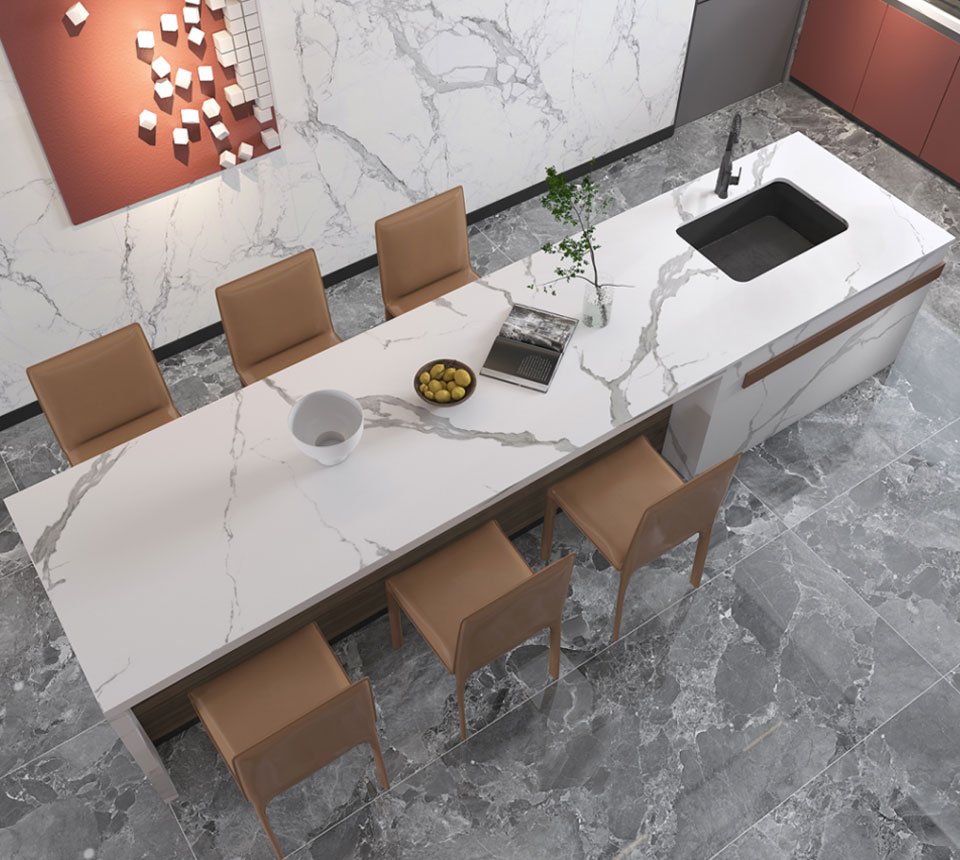
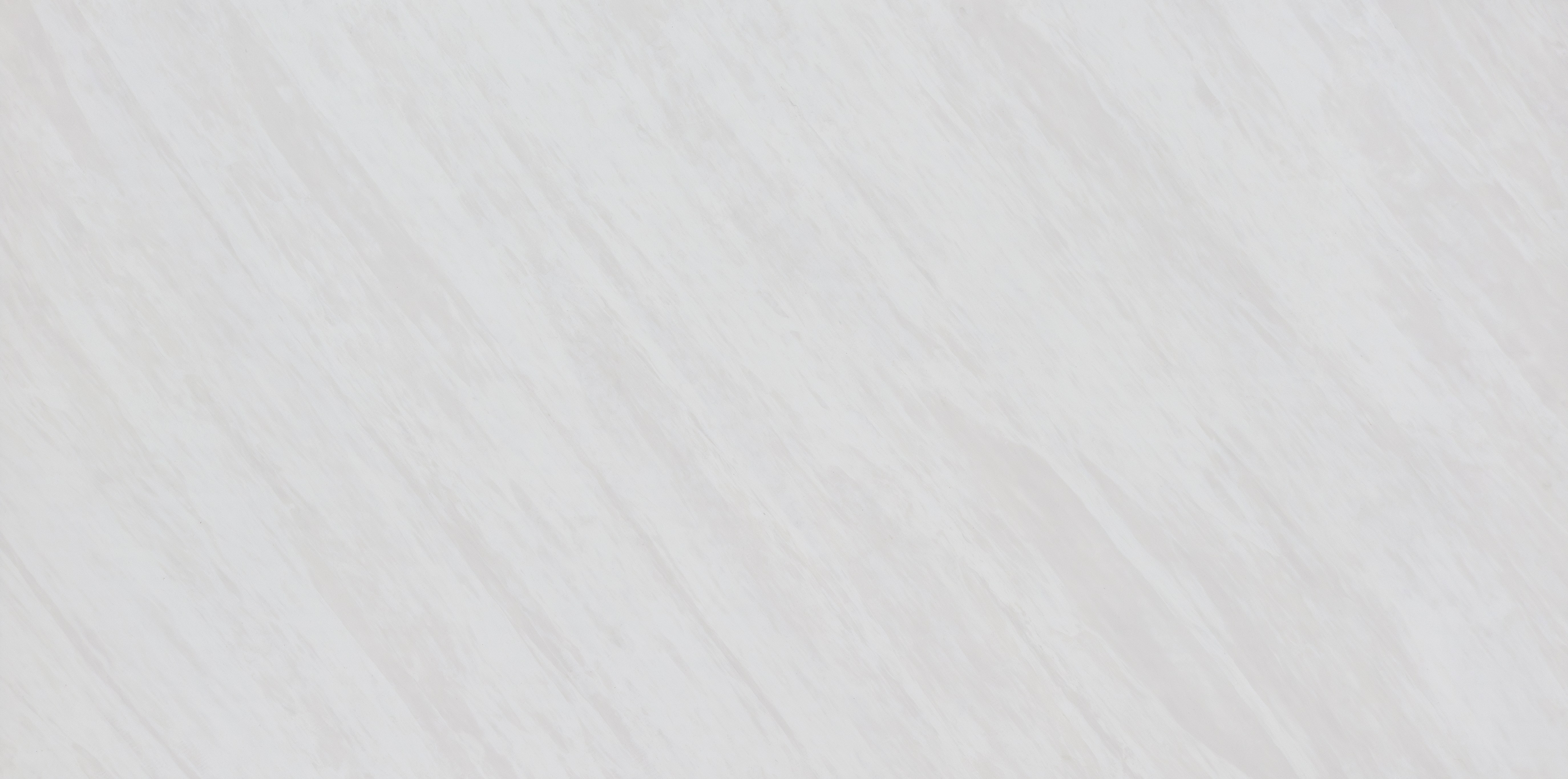
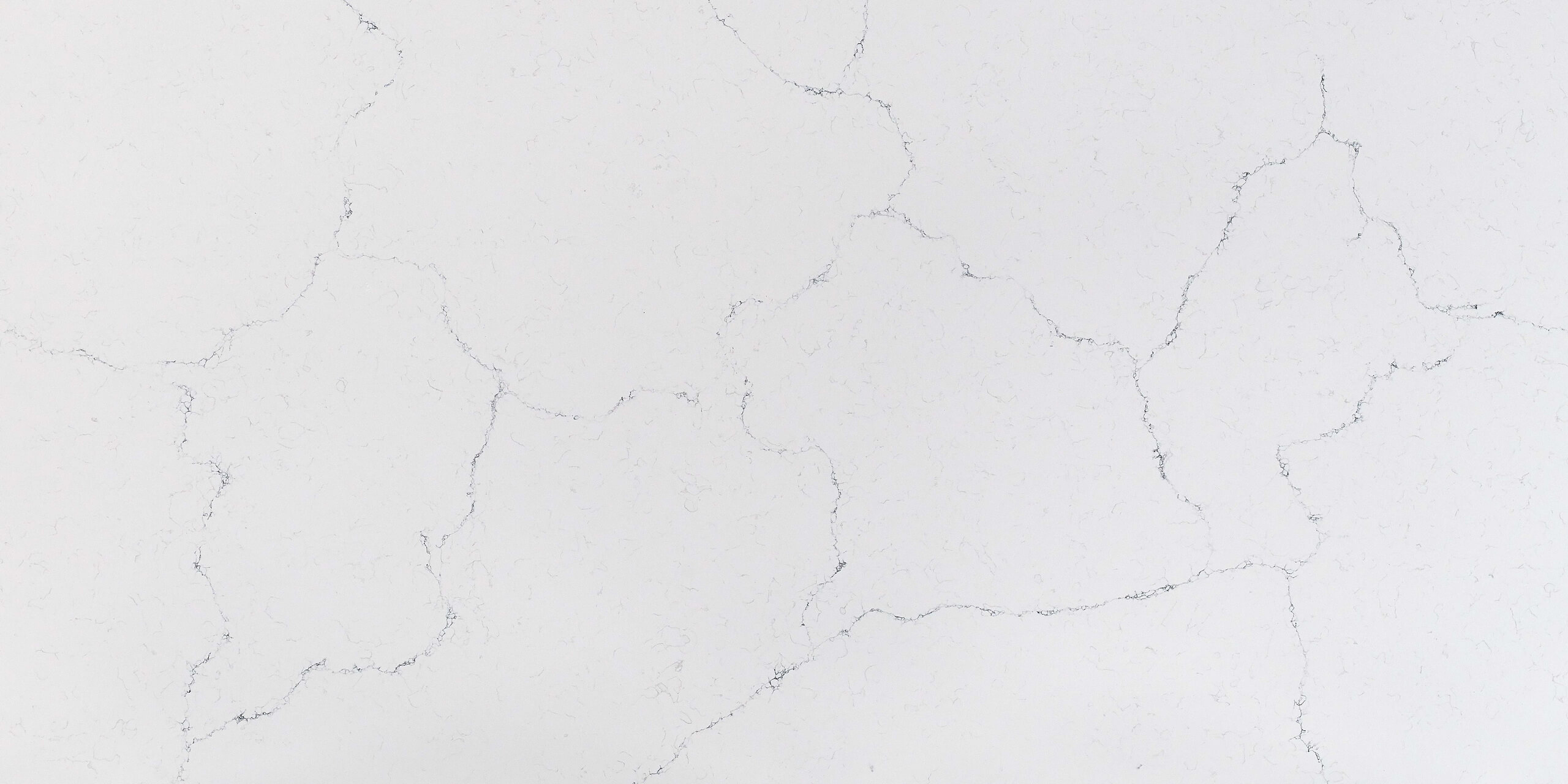
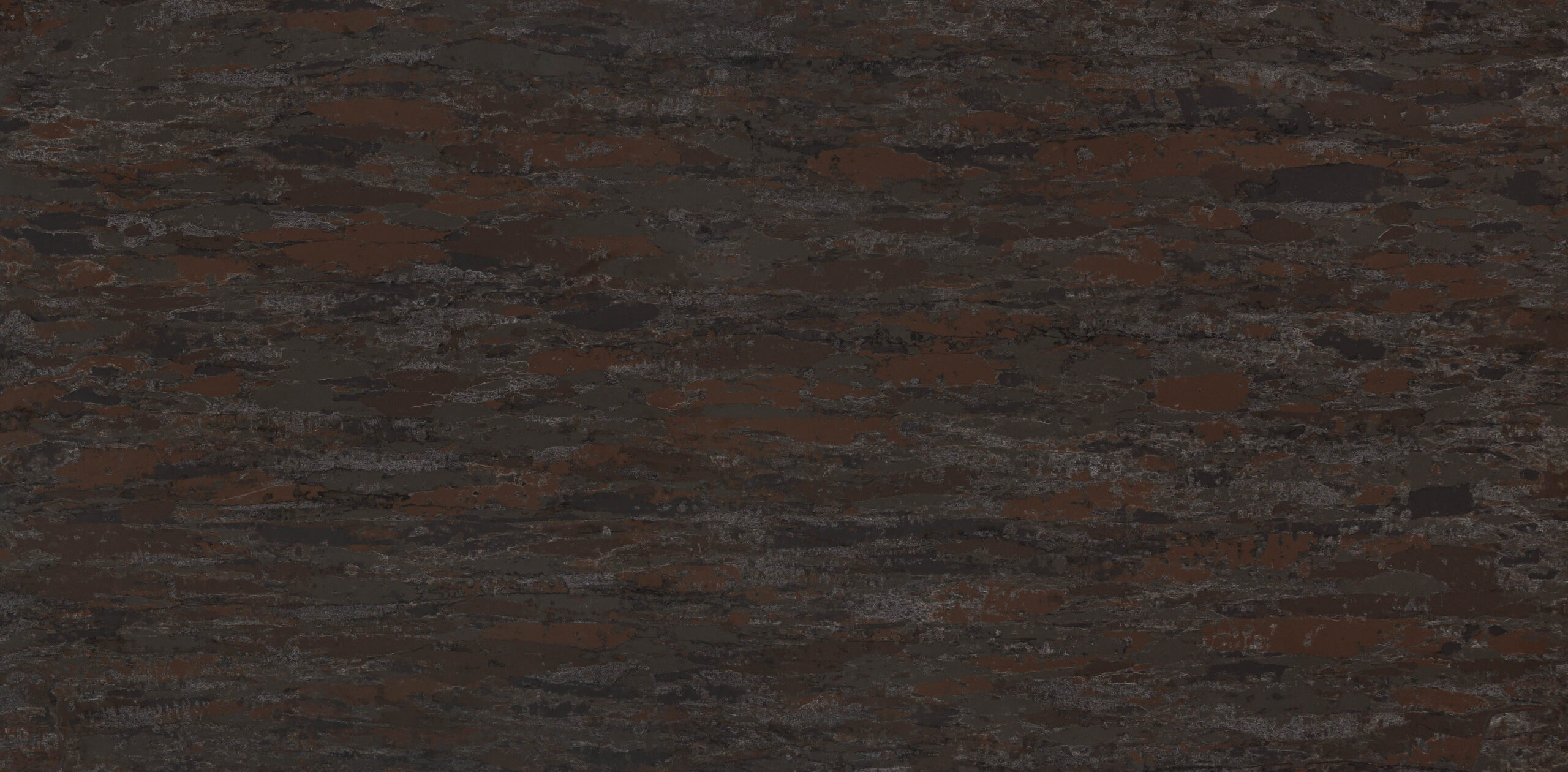
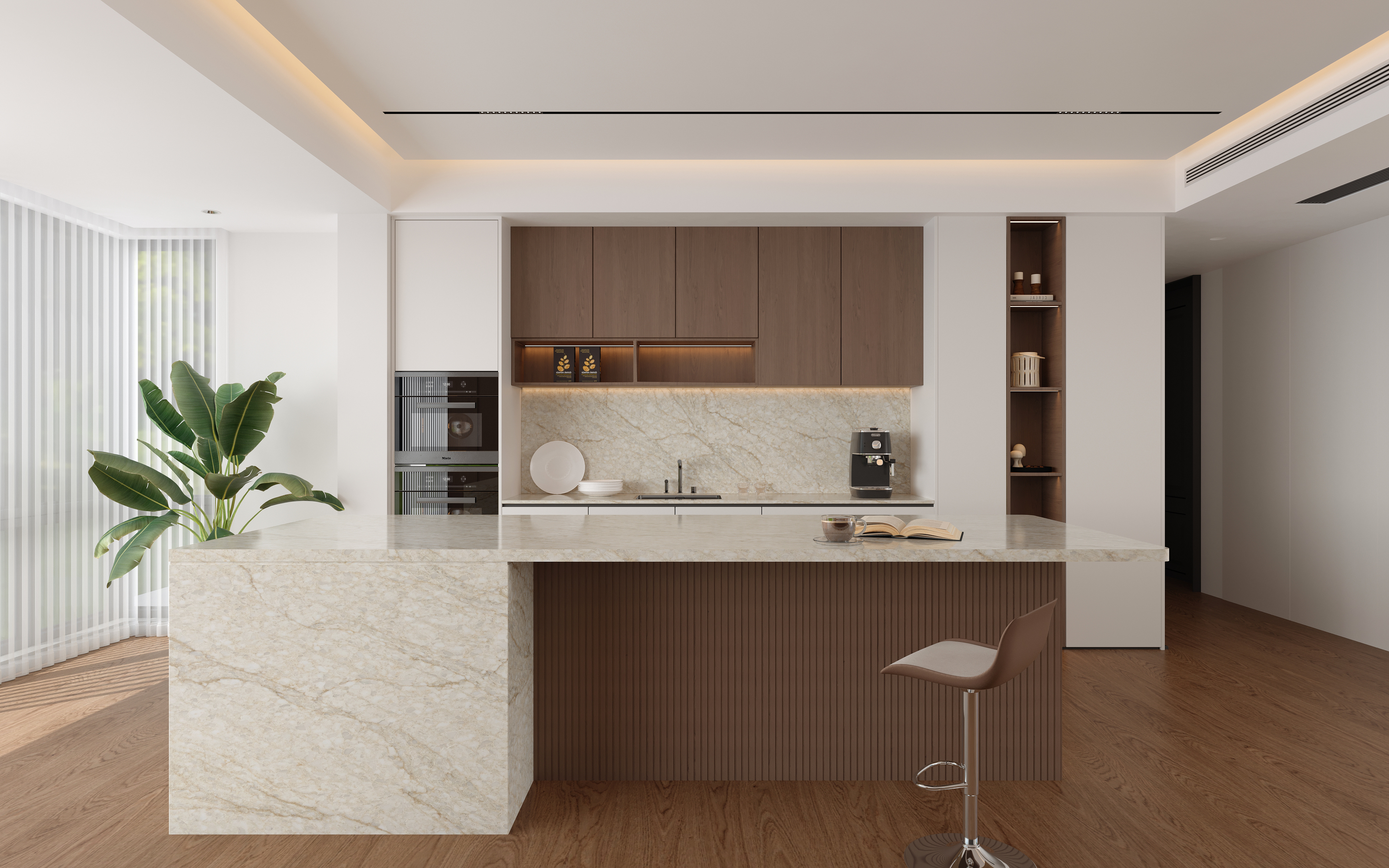
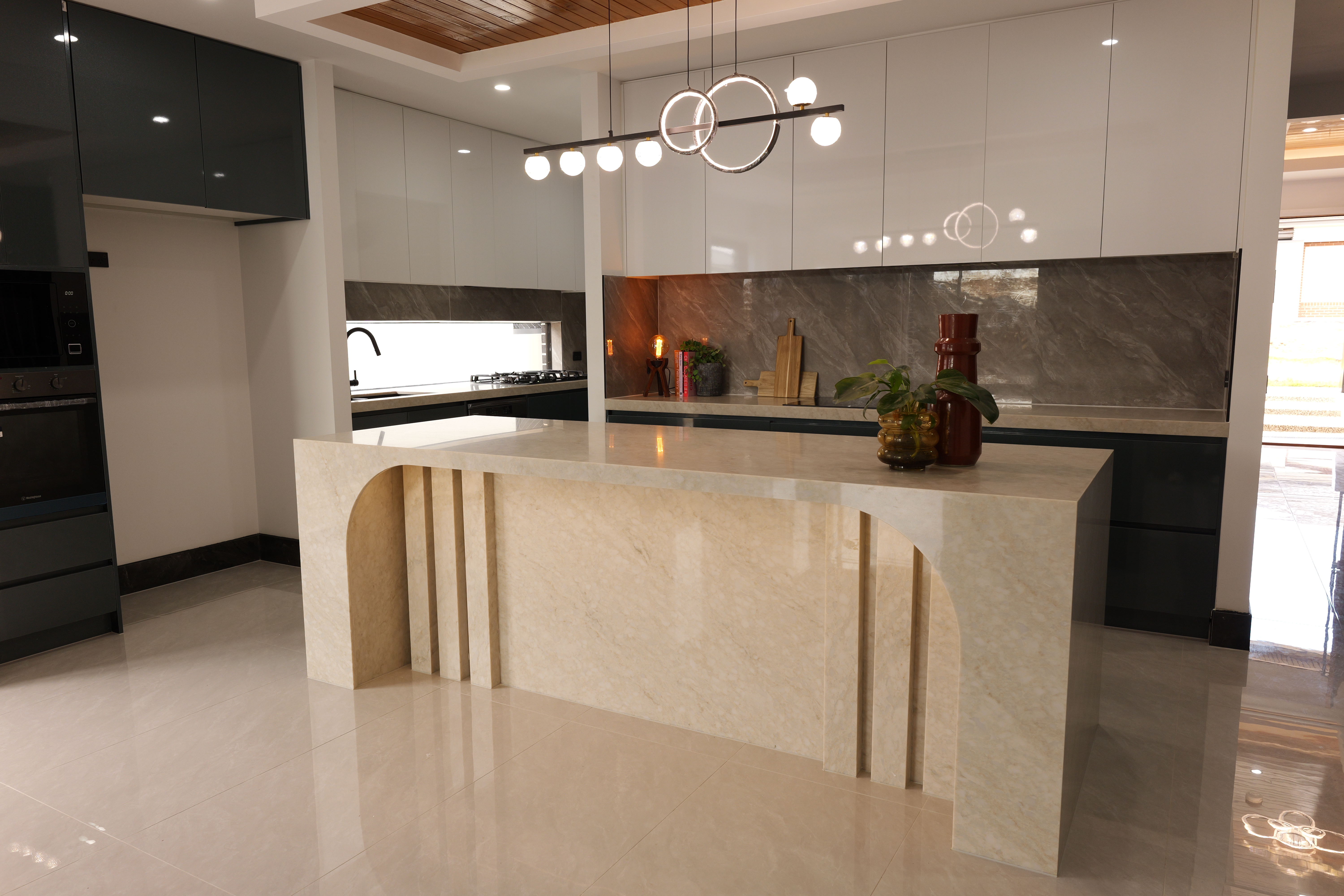
Sintered stone technology enables ultra-realistic printing that replicates the depth, veining and motion of natural marble, travertine, terrazzo and even wood. Finishes include polished and honed, matte, leathered, and metallic. That translates to unlimited creative freedom, whether Japandi minimal or maximalist luxe.
Trendy sintered stone appearances in 2025:
· Book-matched Calacatta Gold veining
· Modern industrial greys inspired by concrete Modern industrial spaces
· High-impact retail counters in metallic lava tones
· Spa-inspired bathrooms made of weathered sandstone
Flawless Indoor-Outdoor Design
The sintered stone is UV resistant; therefore, it can be applied indoors and outdoors. Designers are able to make continuity between a kitchen benchtop and an alfresco area, or extend bathroom cladding into an outdoor shower space- without the concern of fading, cracking or warping.
Real Life Durability
Design is not only about appearance, it is about functionality. Sintered stone is superior to other materials in high traffic areas:
· Kitchen counter scratch resistant
· Splashbacks behind cooktops heat-resistant
· Wine bars or beauty salons stain-proof
· Simple to clean in the healthcare or hospitality setting
Its non-porous structure is also resists mold, mildew and bacteria resistant and is therefore suitable in hygiene sensitive environments.
How Sintered Stone Compares to Quartz: A Side-by-Side Snapshot
Feature | Sintered Stone | Quartz (Engineered Stone) |
Silica Content | Zero or <1% | Up to 90% crystalline silica |
Regulatory Risk | Compliant under new bans | High — banned in several countries |
Heat Resistance | Extremely high | Moderate (can scorch) |
UV Resistance | Excellent (outdoor safe) | Poor (discolours in sunlight) |
Scratch/Stain Resistance | Very strong | Moderate |
Design Options | Advanced printing, natural stone look | Uniform colour, limited variation |
Applications | Indoor + outdoor | Indoor only |
Sustainability | Often more eco-friendly | High carbon footprint |
Designer Appeal | High-end, versatile | Declining trend |
What Top Designers Say
“Sintered stone has transformed my kitchen and bathroom design. The depth of colour and its longevity is unrivalled- and I can safely advise my clients to use it because it is safe.”
-Leah R., Interior Designer, NSW
“We have taken all our surface specs off quartz. The customers adore the range of finishes, and the installers are fond of the safety.”
-Myles D., Commercial Fit-out Specialist
Selecting the Appropriate Sintered Stone to Your Project
In choosing a sintered stone product, seek:
· Authenticated silica-free products
· Availability and short lead times locally
· Comprehensive technical datasheets to architects
· Available thickness (6mm, 12mm, 20mm)
· Benchtops, cladding, flooring, and so on support
Cut-to-size fabrication, 3D edge profiling, and installation training are also available on some of the leading brands, so your vision is perfectly brought to life in the finished space.
Concluding Remarks: Design Smarter in 2025
With the interior design industry moving towards safer, smarter, and more sustainable materials, sintered stone has established itself as the material of the future, 2025 and beyond. It is a combination of functionality and design, style and morals, action and tranquility.
To interior designers who want to future-proof their practice and take every space they touch to the next level, the move away from quartz to sintered stone is not a trend, it is a transformation.