Choosing Between 6mm, 12mm & 20mm Porcelain: What Thickness is Best for Your Project?
.jpg)
Choosing Between 6mm, 12mm & 20mm Porcelain: What Thickness is Best for Your Project?
Porcelain has become one of the most used surface materials in contemporary construction and design. It is very durable, low maintenance, and has aesthetic flexibility; thus, it is popular in kitchens, bathrooms, flooring, and outdoor areas.
When ordering porcelain, the most frequently asked question is: What thickness should I use 6mm, 12mm or 20mm?
Both thicknesses possess their own strengths and their most suitable applications. Knowing these differences will assist in making the best decision in terms of style and performance.
Why Thickness Matters in Porcelain
Porcelain slabs are designed to have particular applications, and thickness is an important aspect:
· Strength and Durability: Thicker slabs are able to bear more weight and stress.
· Flexibility of Designs: Slabs that are thinner are easy to cut and install in vertical applications.
· Cost and Practicality: Cost and practicality of material, transport and installation vary with thickness.
· Aesthetic Effect: Thin profiles are modern and thicker edges are bold and solid.
6mm Porcelain Slabs
Overview
At 6mm thick, porcelain slabs are the lightest and most versatile option. Despite their thinness, they retain excellent strength due to porcelain’s density.
Best Applications
· Splashbacks: Easy to handle and ideal for seamless, large-format splashbacks.
· Wall Cladding: Lightweight enough for full-height kitchen, bathroom, or feature walls.
· Furniture Cladding: Used to cover cabinetry, doors, or custom joinery for a sleek look.
Benefits
· Easy to cut and install.
· Lightweight, reducing structural load.
· Perfect for vertical applications.
Considerations
6mm slabs aren’t designed for high-impact horizontal use like benchtops. They are better suited to decorative and vertical purposes where thickness is less critical.
12mm Porcelain Slabs
Overview
12mm porcelain is often considered the all-rounder thickness, balancing durability with a slimmer profile.
Best Applications
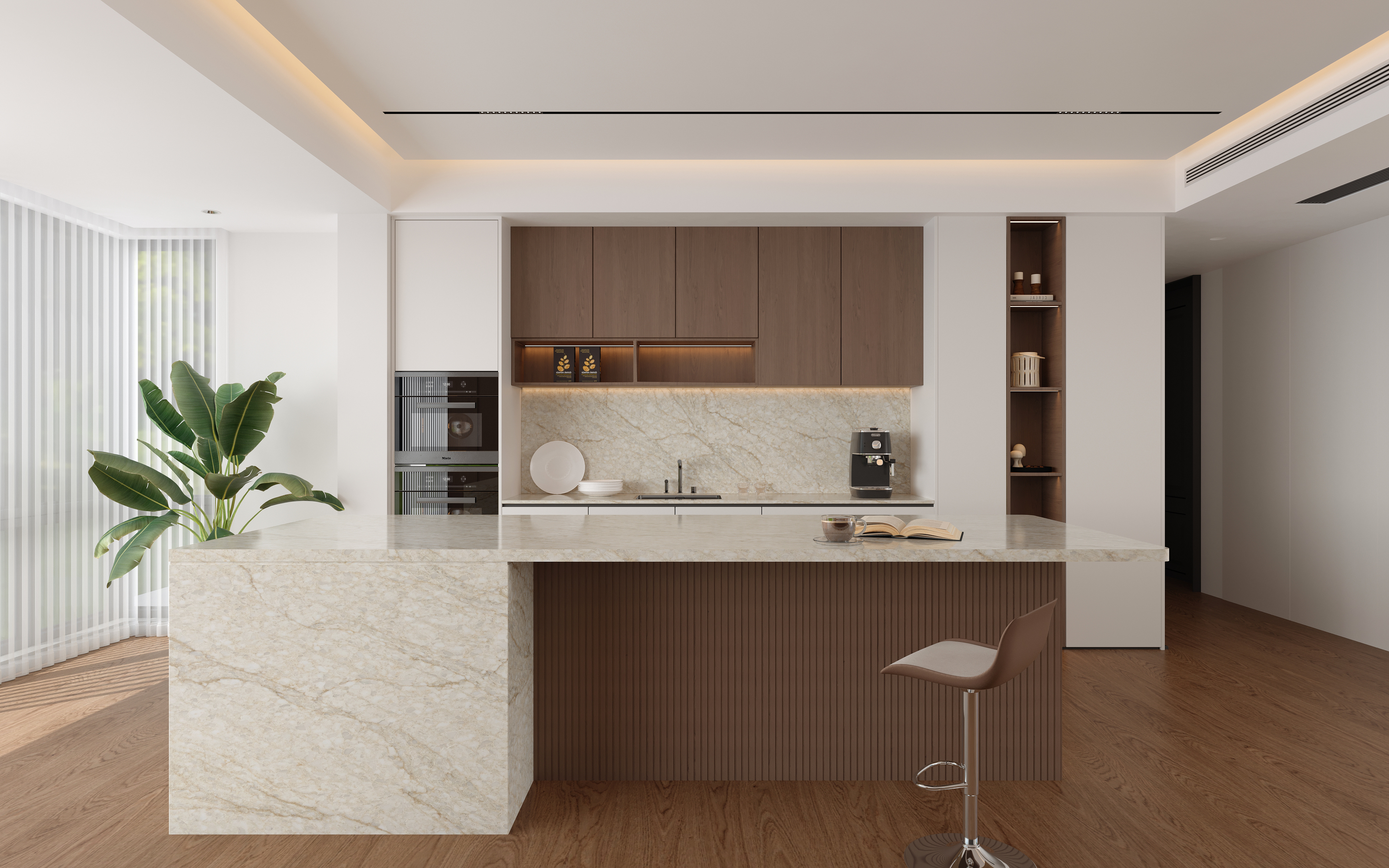
· Kitchen Benchtops: Slim yet strong enough for daily use.
· Bathroom Vanities: Resistant to water, heat, and cleaning products.
· Tabletops & Shelving: Ideal for furniture that combines style with functionality.
Benefits
· Stronger than 6mm, with greater load-bearing capacity.
· Slim profile works well in contemporary designs.
· Suitable for mitred edges to create the look of a thicker slab.
Considerations
While highly versatile, 12mm porcelain may require extra reinforcement for very large benchtops or areas exposed to heavy impact.
20mm Porcelain Slabs
Overview
At 20mm, porcelain reaches its maximum thickness for heavy-duty applications. This makes it ideal for surfaces that need to withstand daily wear and tear, high impact, and outdoor conditions.
Best Applications
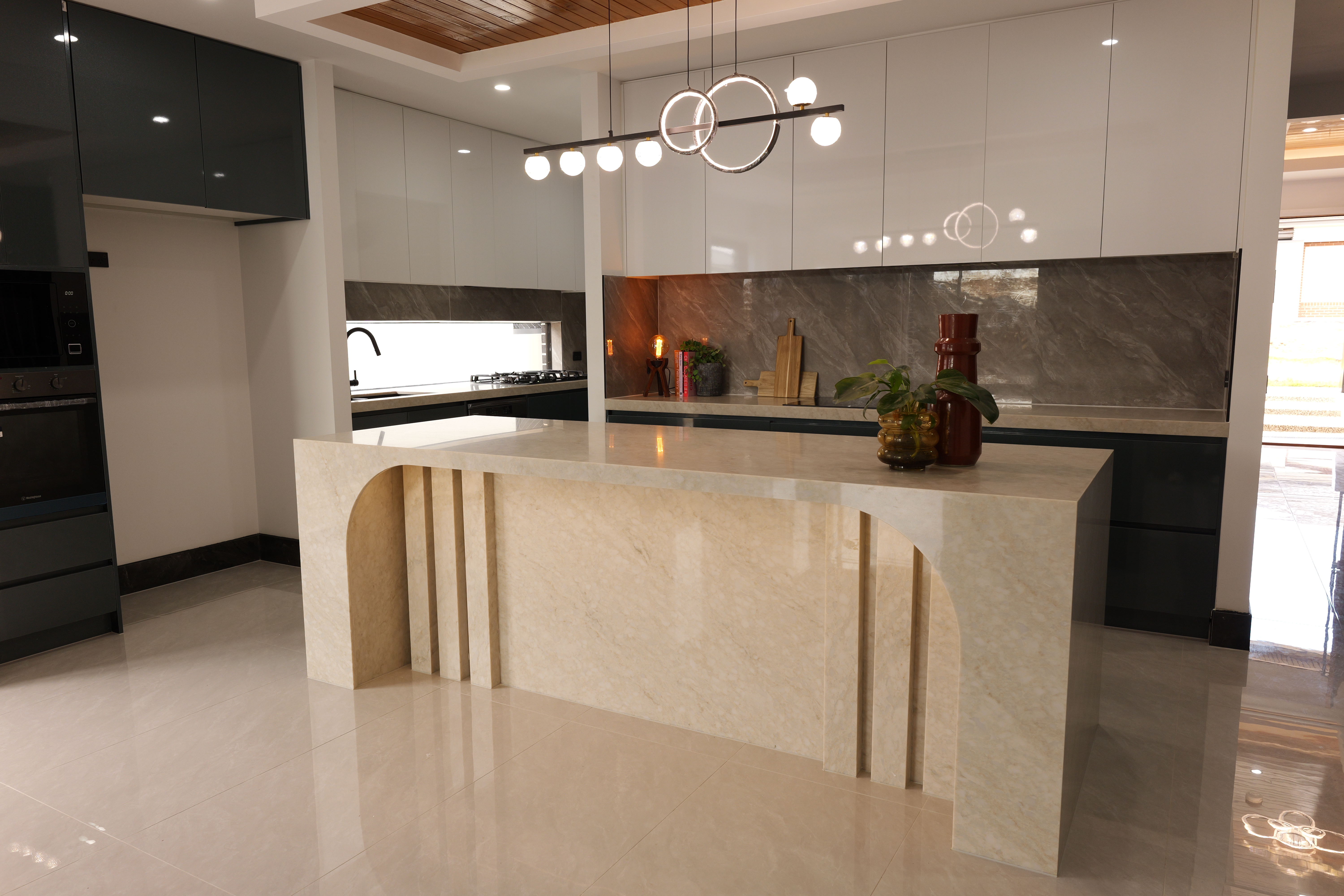
· Kitchen Benchtops: Ultra-durable for family kitchens and commercial settings.
· Outdoor Kitchens & BBQ Areas: Withstands heat, weather, and UV exposure.
· Flooring in High-Traffic Areas: Durable enough for commercial use.
· Staircases: Provides stability and longevity.
Benefits
· Exceptional strength and resistance to impact.
· Luxurious, substantial appearance.
· Minimal reinforcement required during installation.
Considerations
· Heavier, making transport and installation more complex.
· Higher material cost compared to thinner slabs.
· May not suit projects where a slim, modern profile is desired.
Comparing 6mm, 12mm & 20mm Porcelain
Thickness | Best Uses | Advantage | Considerations |
6mm | Splashbacks, wall cladding, furniture | Lightweight, easy to install, cost-effective | Not suitable for benchtops or high-impact areas |
12mm | Benchtops, vanities, tables, shelving | Versatile, strong, modern slim look | May need reinforcement for heavy loads |
20mm | Kitchen benchtops, outdoor kitchens, flooring, stairs | Maximum strength, long-lasting, premium look | Heavier, more expensive, complex installation |
How to Choose the Right Thickness for Your Project
1. Consider the Application
· Splashbacks → 6mm
· Benchtops (residential) → 12mm or 20mm
· Outdoor kitchens → 20mm
2. Think About Style
· Slim, modern look → 6mm or 12mm
· Bold, substantial look → 20mm
3. Factor in Installation & Budget
· 6mm is more affordable and easier to install.
· 20mm offers longevity but comes with higher upfront costs.
Conclusion
Choosing between 6mm, 12mm, and 20mm porcelain slabs depends entirely on your project’s needs.
· 6mm is best for splashbacks, walls, and decorative finishes.
· 12mm offers a versatile solution for benchtops, vanities, and furniture.
· 20mm delivers unmatched strength for kitchens, outdoor areas, and commercial spaces.
By matching the slab thickness to the right application, you’ll achieve both style and long-term durability. For the best results, always consult with your fabricator or supplier to ensure the thickness chosen meets the structural and design requirements of your space.