
.jpg)
7 Stone Benchtop Mistakes to Avoid Before Renovating Your Kitchen
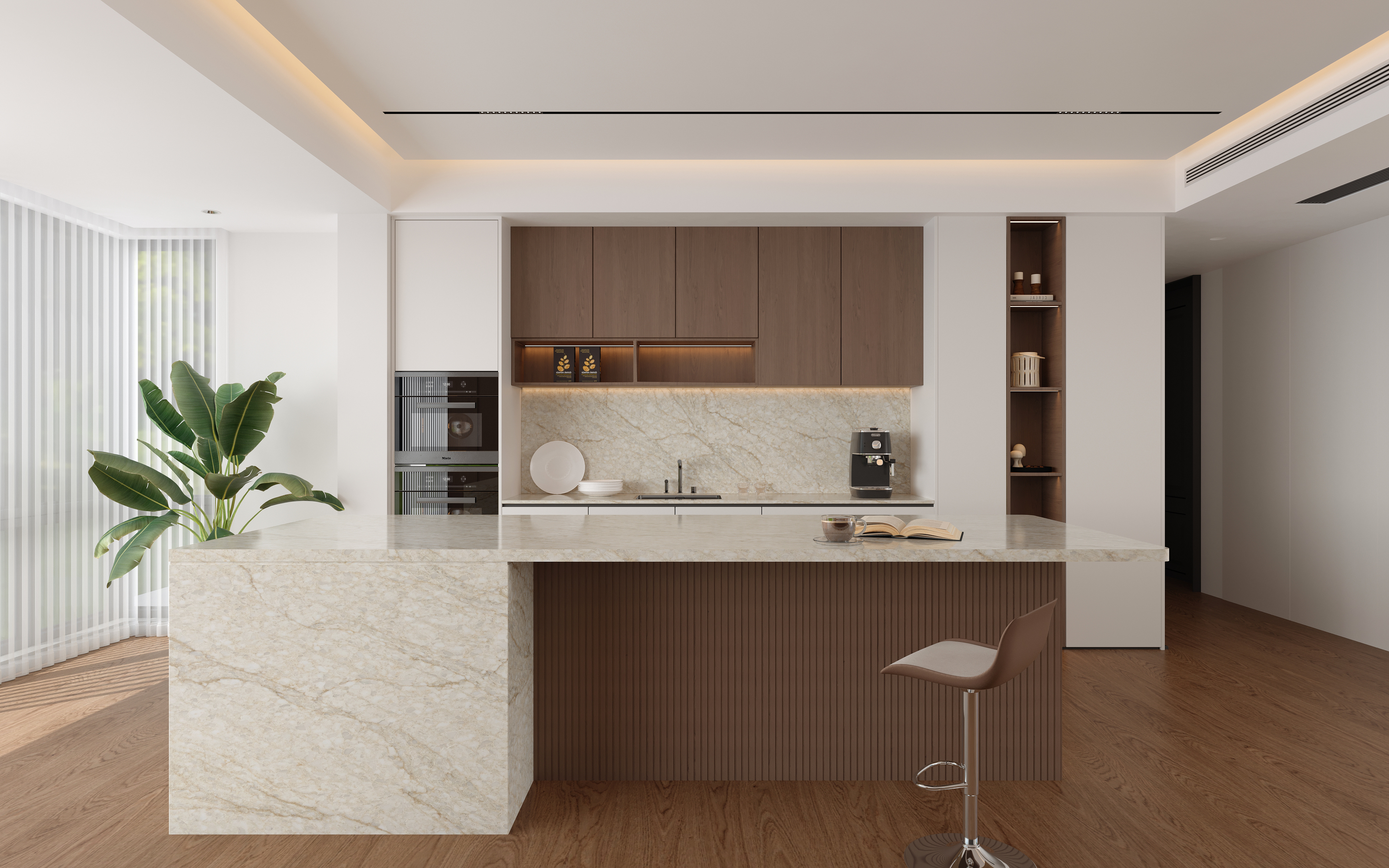
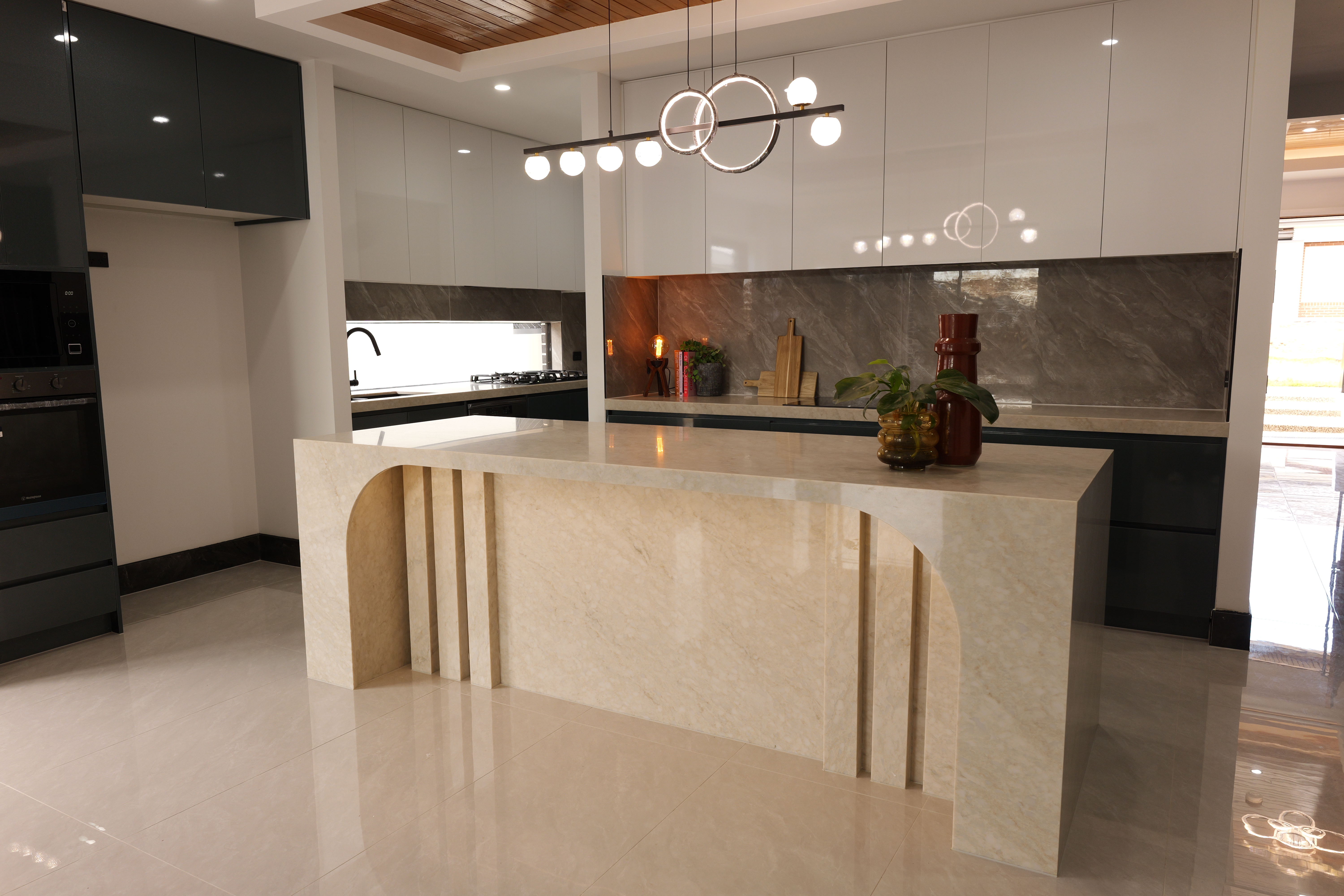
A stone benchtop is one of the most visible and important features in a modern kitchen. It needs to look great, withstand everyday cooking, complement your cabinetry and provide reliable performance for years to come. However, choosing the right benchtop is about more than simply selecting a colour you like.
From material and thickness to edge profiles, slab layout and maintenance, small decisions can have a major impact on the final result. With so many stone benchtop options available in Australia, knowing what to look for before ordering can save you money, time and frustration.
Whether you are building a new home or planning a kitchen renovation, here are seven common mistakes to avoid when choosing a stone benchtop.
Choosing a Stone Benchtop Based Only on Colour
One of the easiest mistakes to make is choosing a benchtop based entirely on its appearance.
Colour is obviously important, but your stone benchtop also needs to suit the way your kitchen will be used. A beautiful surface may not be the best choice if its performance characteristics don't match your lifestyle.
For example, a busy family kitchen may require a surface with excellent resistance to heat, stains and everyday wear. An outdoor kitchen has different requirements again, particularly when it comes to UV exposure and weather conditions.
Look Beyond the Sample
When comparing stone benchtops, consider:
- Heat resistance
- Scratch resistance
- Stain resistance
- UV stability
- Cleaning requirements
- Thickness options
- Slab size
- Fabrication requirements
- Suitability for indoor or outdoor use
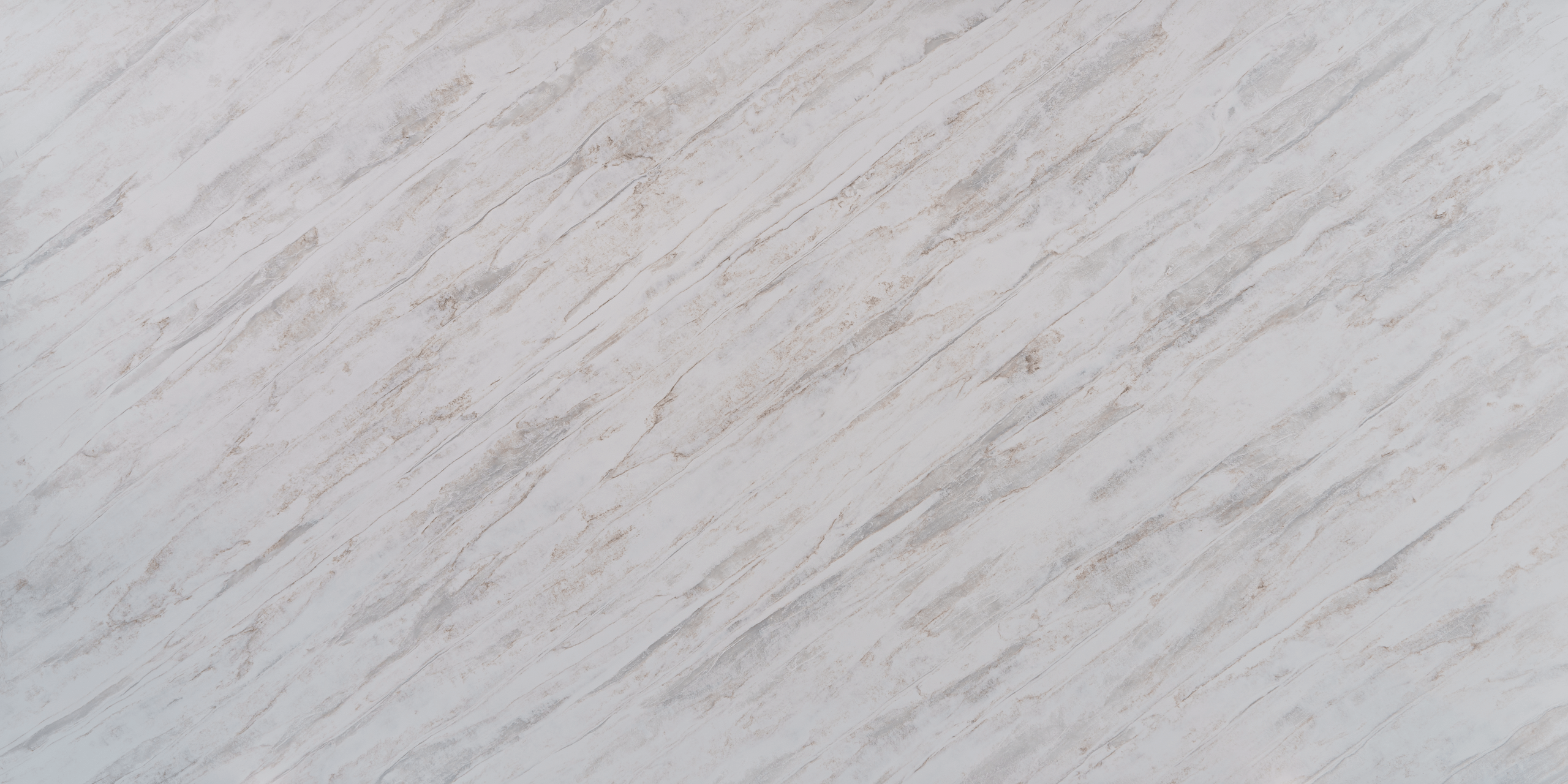
It is also important to remember that a small sample may not accurately represent the appearance of a full slab. Large-format stone can have significant veining, movement and colour variation.
For this reason, seeing a full stone slab in person can be extremely valuable before making your final selection.
Choosing the Wrong Stone Benchtop Thickness
Thickness is another decision that should be considered before fabrication begins.
Stone benchtops can be available in different thicknesses depending on the material and manufacturer. A thinner profile can create a clean, contemporary appearance, while a thicker profile can provide a more substantial architectural look.
Why Thickness Matters
The correct thickness depends on the application, design and structural requirements.
For example, a thinner porcelain slab may be suitable for a splashback or vertical wall application, while a kitchen benchtop may require a different specification.
Your fabricator can help determine the appropriate thickness based on:
- Benchtop dimensions
- Overhangs
- Cabinet support
- Cut-outs
- Sink installation
- Cooktop installation
- Edge design
- Material specifications
Don't select a thickness simply because it looks good in a photograph. The design should work together with the technical requirements of the project.
Ignoring the Slab Layout and Veining
One of the biggest differences between an ordinary-looking and premium-looking stone benchtop can be the slab layout.
Natural-looking porcelain and stone surfaces can feature dramatic veining. Where those veins are positioned can significantly affect the final appearance of an island bench.
Why Slab Planning Matters
Imagine selecting a beautiful marble-look surface with a large vein running through the centre of the slab. If the slab isn't planned correctly, the most attractive section could end up behind a sink, cut-out or appliance.
Professional slab planning can help maximise the visual impact of the material.
For statement kitchen islands, designers and fabricators may carefully consider:
- Vein direction
- Bookmatching
- Waterfall edges
- Join positions
- Sink cut-outs
- Cooktop cut-outs
- Splashback alignment
This is one reason why purchasing a stone benchtop should be considered as part of the overall kitchen design rather than as a separate decision.
Forgetting About Heat Resistance
The kitchen is one of the most demanding environments in a home.
Hot cookware, baking trays, boiling water and cooking equipment can all come into contact with the benchtop. This makes heat resistance an important consideration when comparing materials.
Not All Stone Benchtops Perform the Same
Different materials have different heat-performance characteristics.
Porcelain, for example, is known for its high resistance to heat and is widely used for kitchen surfaces, splashbacks and other applications where temperature resistance is important.
However, even with highly heat-resistant materials, following the manufacturer's care and installation recommendations is essential.
Before selecting your stone benchtop, ask your supplier:
"What are the recommended heat-use guidelines for this specific product?"
Getting the answer before installation is much better than discovering limitations after the kitchen is finished.
Choosing a Benchtop Without Considering the Kitchen as a Whole
A stone benchtop should complement the entire kitchen.
Cabinet colour, flooring, splashbacks, handles, appliances, lighting and wall colours can all influence how the surface looks.
Create a Cohesive Kitchen Design
A dramatic stone benchtop can become the centrepiece of a kitchen. If the surface has strong veining, you may want to keep cabinetry and surrounding finishes relatively simple.
Alternatively, a subtle stone design can work well when paired with more decorative cabinetry or statement lighting.
One increasingly popular approach is to use the same porcelain or stone surface across multiple areas, such as:
Benchtop → Island → Splashback → Feature wall
This creates visual continuity and can make a kitchen feel larger and more luxurious.
Focusing Only on the Initial Price
Price is naturally an important consideration when renovating a kitchen, but the cheapest stone benchtop isn't always the best value.
The final cost can depend on much more than the price per square metre.
What Can Affect the Final Cost?
Consider:
- Material selection
- Slab size
- Thickness
- Number of slabs required
- Edge profiles
- Mitred edges
- Cut-outs
- Sink installation
- Cooktop cut-outs
- Waterfall panels
- Transport
- Fabrication
- Installation
A surface that appears inexpensive initially may become significantly more expensive once fabrication and installation requirements are included.
Instead of comparing only the material price, compare the complete project cost and expected performance.
7. Not Considering Silica Safety
Silica safety has become an important consideration for the Australian stone industry.
Traditional engineered stone products containing crystalline silica have been subject to significant regulatory changes in Australia due to the health risks associated with exposure to respirable crystalline silica dust during fabrication.
This means homeowners, builders and designers should understand exactly what material they are specifying.
Consider Zero Silica Alternatives
Modern zero silica stone benchtop and porcelain options can provide alternatives for projects where material composition and fabrication safety are important considerations.
When discussing your project with a supplier or fabricator, ask questions about:
- Material composition
- Silica content
- Fabrication requirements
- Australian regulations
- Recommended safety procedures
- Product certification and technical documentation
Choosing a benchtop should involve both aesthetics and responsible material selection.
How to Choose the Right Stone Benchtop
So, what should you actually look for when choosing your next stone benchtop?
Start by considering your lifestyle and the way the kitchen will be used.
For Busy Family Kitchens
Look for a surface with excellent durability, stain resistance and easy cleaning.
For Luxury Kitchen Designs
Consider large-format slabs with dramatic veining, carefully planned joins and matching splashbacks.
For Outdoor Kitchens
Prioritise UV stability, weather resistance and suitability for outdoor applications.
For Safety-Conscious Projects
Investigate zero silica options and confirm the material specifications with your supplier.
Most importantly, don't make your decision from a tiny sample alone. Viewing a full slab can give you a much better understanding of the colour, pattern, texture and overall visual impact.
Why Porcelain Is Becoming a Popular Stone Benchtop Choice
Porcelain has become increasingly popular in Australian kitchen design because it combines contemporary aesthetics with strong performance characteristics.
Depending on the product, porcelain can offer:
Excellent heat resistance
High scratch resistance
Strong stain resistance
UV stability
Low maintenance
Large-format slab options
Marble, concrete and natural-stone-inspired designs
Indoor and outdoor applications
For homeowners looking for a modern stone benchtop that can perform across different environments, porcelain is worth considering.
Final Thoughts: Choose Your Stone Benchtop for the Long Term
A kitchen renovation is a significant investment, and your stone benchtop will likely be one of the most-used surfaces in the entire home.
Instead of choosing purely based on colour or price, consider the complete picture: material performance, thickness, slab layout, heat resistance, maintenance, safety, installation and long-term use.
The right stone benchtop should not only look beautiful on installation day. It should continue to perform and complement your kitchen for years to come.
If you're comparing stone benchtops in Melbourne or across Australia, take the time to view full slabs, compare different materials and speak with an experienced supplier or fabricator before making your final decision. A little research at the beginning can make a significant difference to the finished kitchen.


.jpg)
.jpg)